
Custom T-Shirts for Hockey Clubs in Australia: The Complete Ordering Guide
Everything Australian hockey clubs need to know about ordering custom t-shirts — decoration methods, MOQs, budgeting tips, and more.

Written by
Ryan Gallagher
Custom Apparel
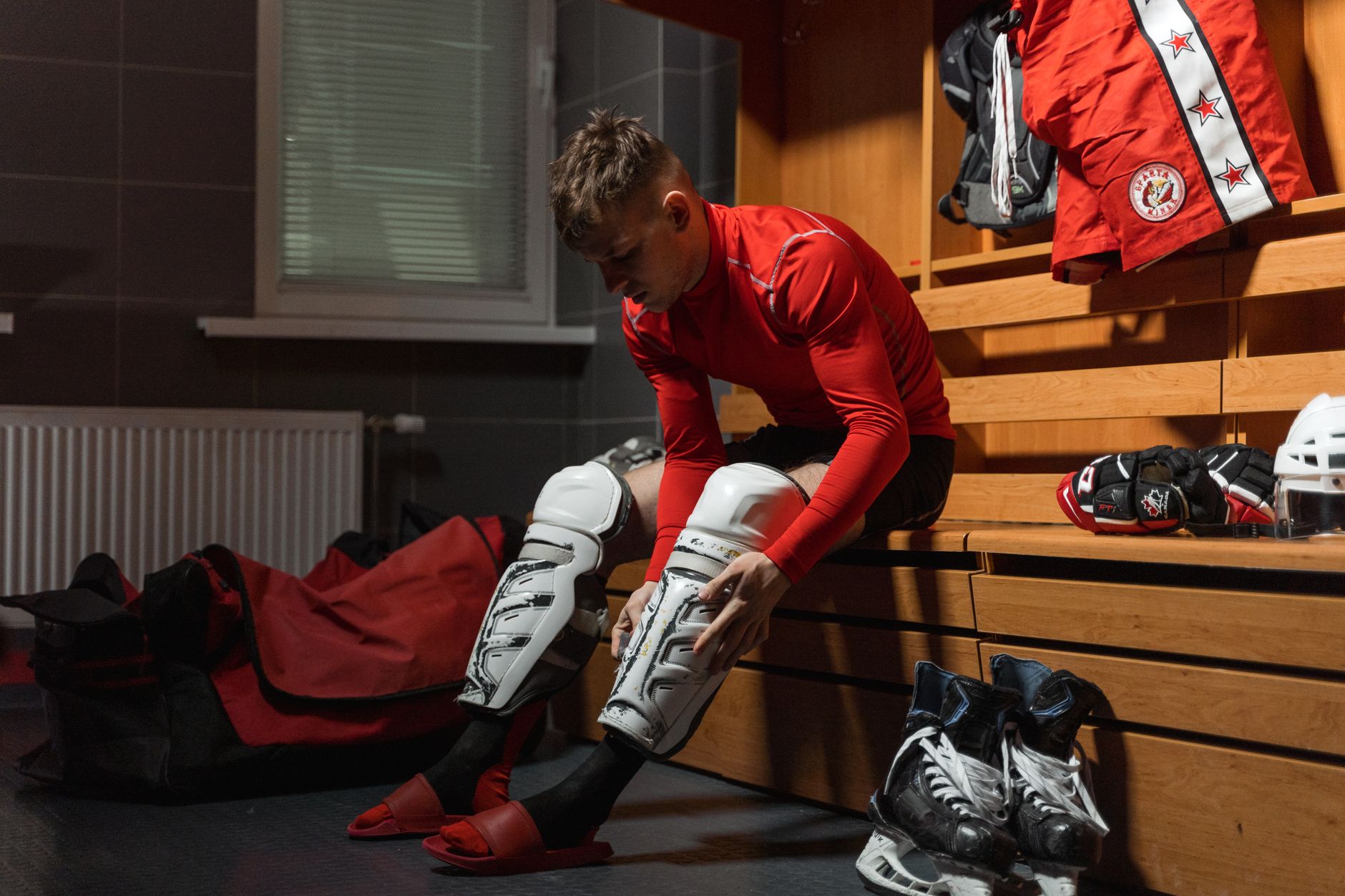
Whether you’re kitting out a junior hockey club in suburban Adelaide or sourcing training gear for a competitive women’s team in Perth, custom t-shirts are one of the most practical and visible investments a hockey club can make. They build team identity, create a sense of belonging, and give players, supporters, and volunteers a unified look that carries your club’s brand everywhere it goes — from the rink to the canteen, the presentation night to the community fundraiser. But navigating the world of custom t-shirts for hockey clubs in Australia isn’t always straightforward. With so many fabric options, decoration methods, and suppliers to consider, it’s easy to feel overwhelmed before you’ve even started. This guide breaks it all down so your club can order with confidence.
Why Custom T-Shirts Matter for Hockey Clubs
Hockey is one of Australia’s most active team sports, with clubs operating across every state and territory — from the Queensland Hockey Federation’s competitions in Brisbane to Hockey Victoria’s vast network of metropolitan and regional clubs. At every level, a well-branded t-shirt does more than just look good.
For players, a custom training tee reinforces that they’re part of something meaningful. For supporters and parents, a club t-shirt is an affordable way to show their pride. For volunteers and officials, it provides a quick visual identifier during busy game days and tournaments. And for club administrators, branded merchandise is a legitimate fundraising tool and a way to grow brand recognition in the local community.
Beyond the social and cultural value, there’s also a practical element: custom t-shirts for hockey clubs in Australia are used across a wide range of occasions. Think training sessions, end-of-season presentations, school holiday clinics, registration days, social events, and travelling interstate for carnivals. The right tee can serve all of these purposes simultaneously.
Choosing the Right T-Shirt Style and Fabric
Not all t-shirts are created equal, and for a hockey club, fabric performance matters. Here’s how to think through the options:
Cotton vs. Polyester vs. Blended Fabrics
100% cotton t-shirts are a classic choice for casual and off-field use. They’re comfortable, breathable, and easy to decorate via screen printing. However, they can shrink in the wash and are heavier when wet — not ideal for high-intensity training sessions.
100% polyester or performance fabrics are better suited to on-field and training applications. They wick moisture, dry quickly, and hold their shape well over time. Many hockey clubs use these for training tees. The trade-off? Some decoration methods — particularly standard plastisol screen printing — don’t adhere as well to synthetic fibres, so you’ll need to specify dye sublimation or a compatible printing method.
Cotton/polyester blends (typically 60/40 or 65/35) offer a middle ground: the comfort of cotton with some of polyester’s performance properties. They’re among the most popular choices for club t-shirts that need to look sharp off the field too.
If your club is based in a warmer climate — think Darwin, Brisbane, or the Gold Coast — lighter-weight fabrics will be especially appreciated by members during the summer months.
Decoration Methods: What Works Best for Hockey Club T-Shirts
Choosing the right decoration method is just as important as choosing the right garment. Each technique has different strengths depending on your design, quantities, and budget.
Screen Printing
Screen printing is the industry workhorse for a reason. It delivers vibrant, durable results at a low cost per unit when ordering in bulk. If your hockey club is ordering 50 or more t-shirts with a bold, straightforward design — think your club crest, team name, and a few colours — screen printing is usually the most cost-effective choice.
Setup fees typically apply per colour in your design, so simplified artwork (fewer colours, clean lines) will keep costs down. For clubs with a detailed or multi-coloured logo, it’s worth consulting with your decorator about artwork simplification. You can learn more about the fundamentals in our guide to choosing custom t-shirts in Australia.
Embroidery
Embroidery is ideal for premium club apparel — polo shirts, jackets, and caps — where a professional, textured finish is desired. For standard training or supporter t-shirts on thinner fabrics, embroidery can sometimes feel stiff or cause puckering. That said, if your club is producing presentation-night shirts or committee uniforms, embroidery on a mid-weight polo or t-shirt adds a quality touch.
Sublimation Printing
Full sublimation printing allows for all-over, full-colour designs across the entire garment. It’s particularly popular with hockey clubs wanting bold, performance-style tees with gradient colours, photographic elements, or complex patterns. The key limitation: sublimation works exclusively on white or light-coloured 100% polyester fabrics, so it may not suit every design or garment preference.
Heat Transfer and DTG
Digital heat transfer and direct-to-garment (DTG) printing are useful for smaller orders or designs with lots of detail and colour. If you need 10–20 personalised shirts for a coaching team or committee — each with individual names — DTG is a practical option. Minimum order quantities (MOQs) tend to be lower than screen printing, making these methods accessible for smaller clubs or one-off runs.
Planning Your Order: MOQs, Timelines, and Budgeting
Getting the logistics right is where many clubs trip up. Here are the key considerations:
Minimum Order Quantities
Most screen printing suppliers set MOQs of 12–25 units to make setup costs viable. If your club is ordering for a full squad plus supporters, this is usually no issue. Smaller orders of 10 or fewer pieces are better handled through DTG or heat transfer.
Turnaround Times
Standard production for a screen-printed club t-shirt run typically takes 10–15 business days from artwork approval. During peak periods — think pre-season, end of year, school holidays — turnaround times can blow out significantly. If you need shirts for a specific event, always build in at least 3–4 weeks of lead time, or discuss rush options with your supplier upfront.
Budgeting Tips
Pricing varies based on garment quality, number of print colours, order quantity, and decoration method. As a general guide, screen-printed club t-shirts in Australia can range from around $12–$25 per unit depending on these variables. Bulk orders drive the unit cost down considerably — an order of 100 tees will cost meaningfully less per unit than an order of 30.
Clubs on a tight budget should also look at combining orders across different member groups — players, supporters, juniors, and volunteers — to hit higher quantity tiers and reduce per-unit pricing.
For clubs that also need training gear beyond t-shirts, it’s worth exploring custom workwear and apparel options in Australia that bundle multiple garment types together.
Design Tips for Hockey Club T-Shirts
A great custom t-shirt design doesn’t need to be complex. In fact, the most enduring club designs are often the simplest. Here are a few practical design tips:
- Keep your logo clean and scalable. Artwork that looks great on a business card may need to be rebuilt as a vector file for print. Most suppliers require print-ready files in AI, EPS, or high-resolution PDF format.
- Limit your colour palette. Each colour in a screen print typically incurs a setup fee. Two to three colours is usually a sweet spot for both cost and visual impact.
- Consider placement carefully. A left-chest logo plus a back print is a popular combination for club tees. For supporter shirts, a larger front print often works well.
- Add personalisation selectively. Player numbers or names can be added via heat transfer on top of a screen-printed base, allowing for the efficiency of bulk printing with personalised finishing touches.
Beyond the T-Shirt: Building a Merchandise Range for Your Club
Once your core t-shirt order is sorted, many hockey clubs find value in expanding into a broader merchandise range. A few popular additions worth considering:
- Custom caps and visors — practical for outdoor training and tournaments, especially in Queensland and Western Australia.
- Hoodies and crew sweatshirts — great for colder months in Melbourne, Canberra, and Hobart. You can explore ideas through our guide to winter branded apparel for cold weather promotions.
- Custom tank tops — popular for summer training sessions. Check out custom tank tops for events in Australia for decoration and style ideas.
- Branded drinkware — water bottles are a practical addition for players and a strong fundraising product. See what’s available in promotional drinkware options from ETS.
- Presentation night trophies and awards — a complete event can also include engraved awards. Personalised engraved pens for sporting achievement ceremonies are a particularly popular choice for junior presentations.
If your club runs events beyond just games — think junior clinics, registration days, or fundraiser nights — it’s also worth reviewing event merchandise trends in Australia to understand what merchandise formats resonate most with today’s audiences.
For clubs thinking about sustainability, eco-conscious merchandise is increasingly popular across Australia. Eco-friendly apparel options in Perth and beyond offer a great starting point for clubs wanting to align their merchandise with environmental values.
Custom T-Shirts for Hockey Clubs in Australia: Working With a Supplier
When selecting a merchandise supplier for your club, look for these qualities:
- Experience with sporting clubs — a supplier familiar with club merchandise understands your timelines, priorities, and budget constraints.
- Transparent pricing — setup fees, GST, and freight should all be quoted upfront with no surprises.
- Artwork support — if your club doesn’t have a designer, look for a supplier offering basic artwork assistance.
- Sample availability — for larger orders, request a pre-production sample to check garment quality and print accuracy before full production begins.
- Online proofing — a digital proof showing your artwork on the garment is standard practice and should be approved before any production begins.
It’s also worth reviewing how generational marketing preferences affect branded merchandise — especially if your club serves a wide age range from juniors to senior players and veteran members.
Key Takeaways
Ordering custom t-shirts for hockey clubs in Australia doesn’t need to be a complicated process, provided you go in informed. Here’s a summary of what to keep in mind:
- Choose fabric based on use case — cotton blends for casual and supporter wear, performance polyester for training and on-field applications.
- Match your decoration method to your design and quantity — screen printing for large runs, DTG or heat transfer for small or personalised orders.
- Plan ahead — allow at least 3–4 weeks from artwork approval to delivery, particularly around peak sporting seasons.
- Leverage bulk pricing — combining orders across player groups, supporters, and volunteers can significantly reduce your per-unit cost.
- Think beyond the tee — building a broader merchandise range strengthens club identity and creates additional fundraising opportunities.
With the right planning and a reliable supplier, your club’s custom t-shirts will be something every member is proud to wear — on and off the pitch.